
How the Spiral Staircase Holds Up in Real Life After 50 Years of Use
Sustainability is not only about material selection, but also about how a structure performs over time — its lifespan, maintenance requirements, and ability to retain its function. What happens to a spiral staircase after 50 years of use? Older staircases in Swedish buildings show what truly lasts over time — and why.
Spiral staircases have existed since the Middle Ages, when they were built from stone in castles and towers. With industrialization, they began to be manufactured in iron and steel. Although materials and production methods have evolved over time, the principle remains the same: a central column supports the structure and distributes the load evenly. This is one of the reasons why spiral staircases can remain functional for decades. However, it is not only the construction itself that determines the staircase’s lifespan, but also how well it withstands the effects of time. Factors such as weather, moisture, and wear all influence the lifespan.
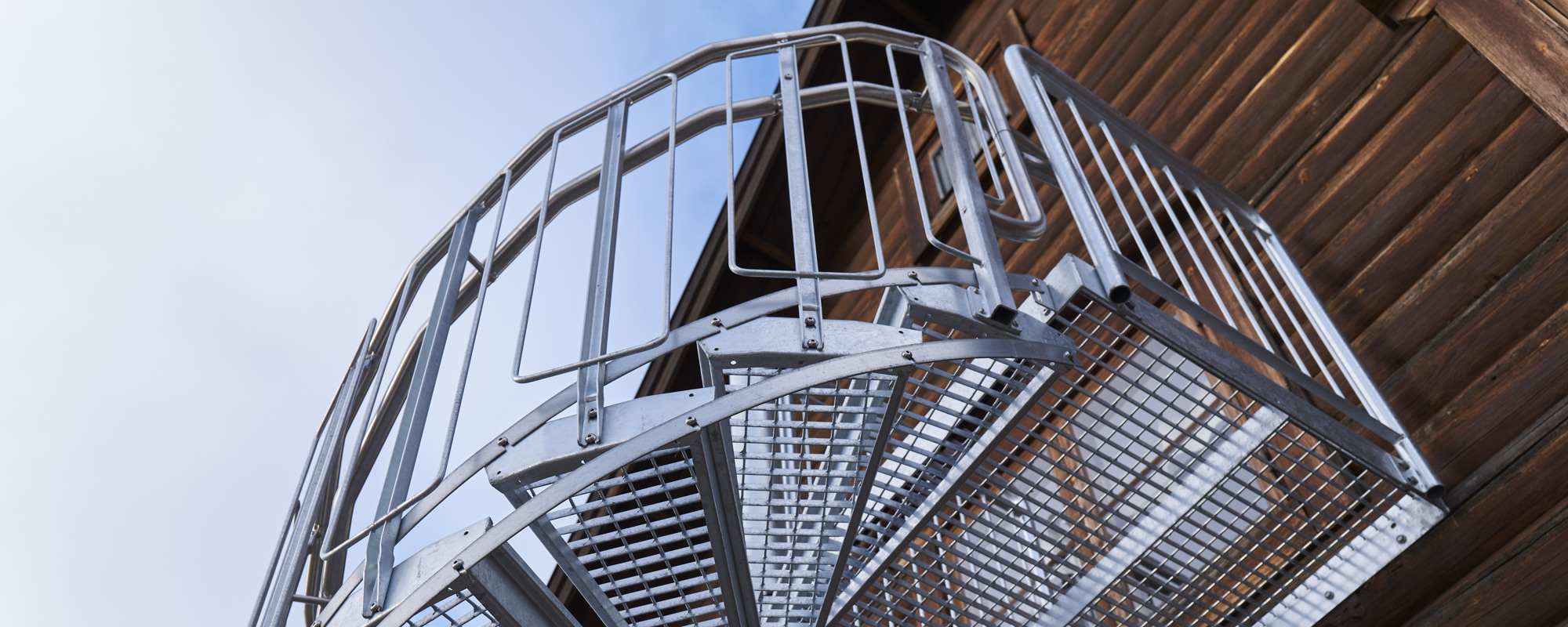
Weland’s spiral staircases are hot-dip galvanized, one of the most effective methods for protecting steel against corrosion. When the steel is dipped into molten zinc, a protective layer forms and becomes part of the material itself. The zinc coating continues to protect the steel even if minor scratches or damage occur, providing a self-sustaining corrosion protection. The result is a staircase that, in many cases, can remain in service for decades without requiring maintenance, while offering a low lifecycle cost compared to other corrosion protection methods.
50 Years in Use
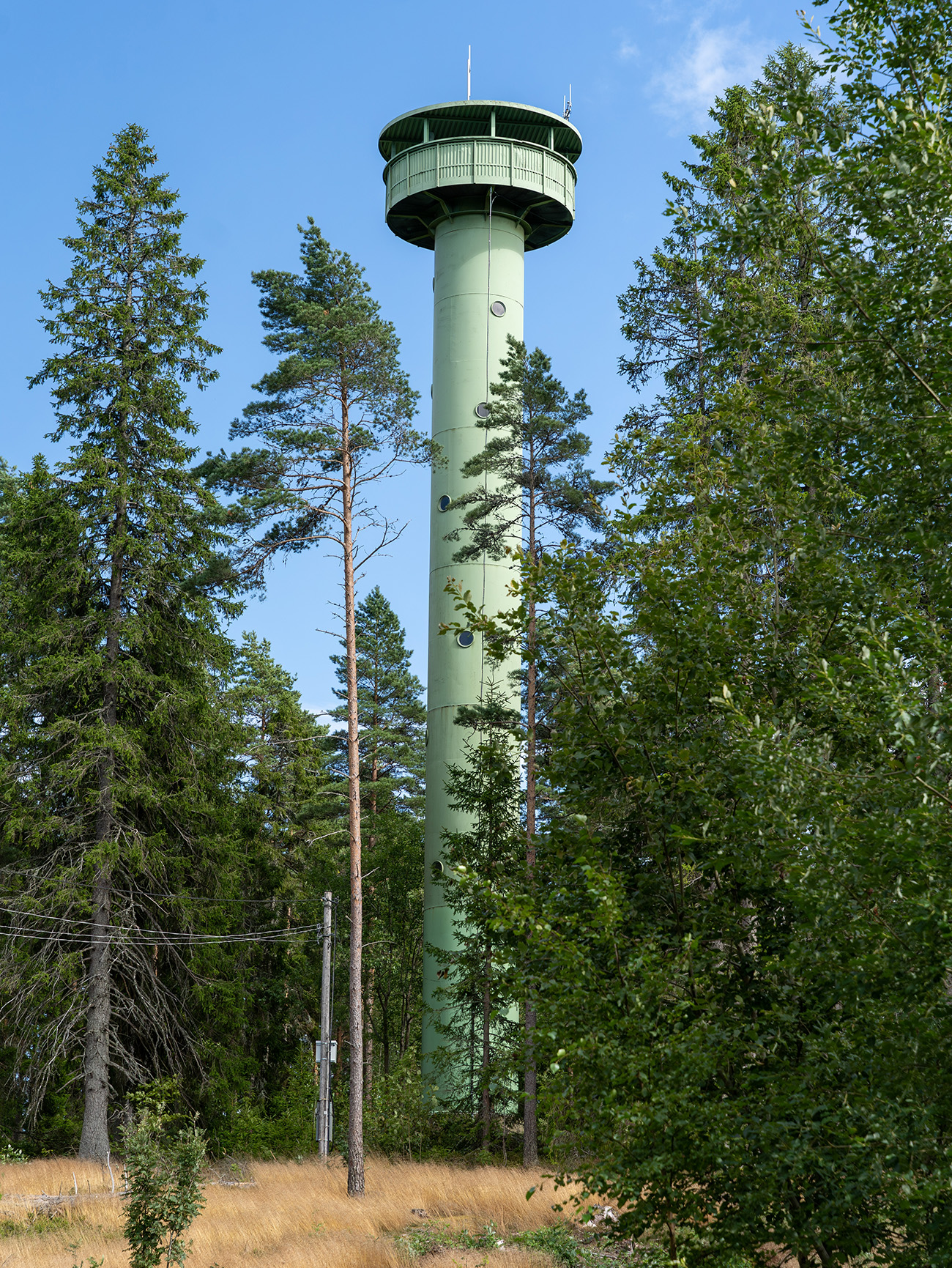
A clear example of how proper engineering and hot-dip galvanizing stand the test of time is the Tegnér Tower outside Gränna, also known as the Forest Tower. The tower is 27 meters high and offers views across four different provinces. However, visitors must work a little for the view — the spiral staircase leading to the top consists of 144 steps. The tower was built in 1971 on the initiative of journalist and sports personality Torsten Tegnér. More than 50 years later, the staircase is still in use and has withstood weather, changing temperatures, and thousands of visitors.
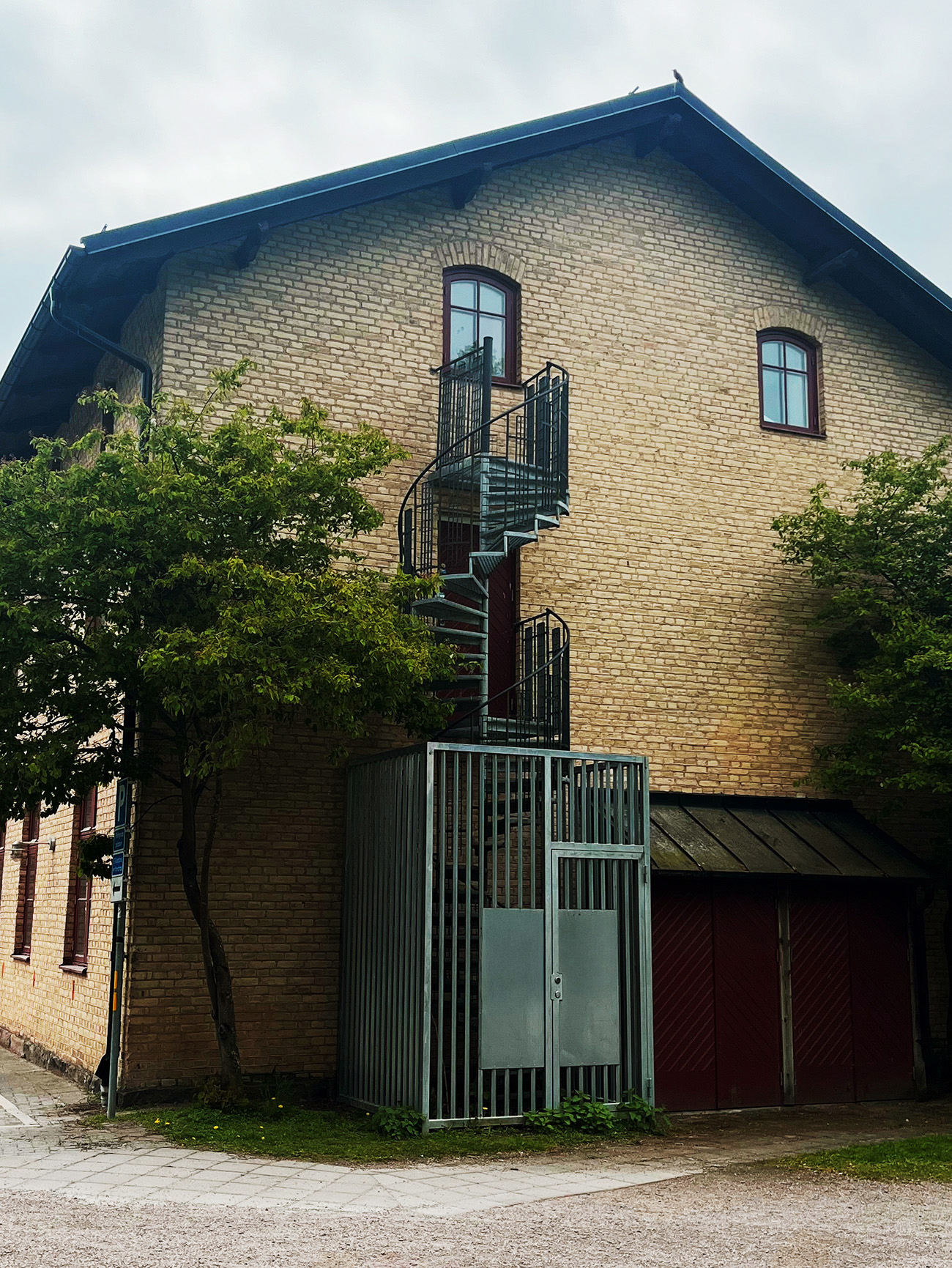
Another example can be found in the former brewery building by the Nissan River in Halmstad, which has since been converted into a cultural school. Here, the spiral staircase has gone from being part of an industrial environment to serving a public purpose, without losing its function. Similar examples can be found throughout Sweden, from industrial facilities to public spaces, where spiral staircases installed in the 1970s and 1980s are still used daily.
For architects, property owners, planners and designers, the question is not only how long a solution lasts, but also what it costs over its lifetime. A structure that functions for 50 years without major interventions means lower costs, fewer operational disruptions, and less need for replacement. Even after decades of use, the material can be given new life. The steel can be melted down and recycled into new products, making hot-dip galvanized spiral staircases a long-term solution from a circular economy perspective as well.
Published: 2026-05-29